
When it comes to fire safety, the conversation often revolves around alarms, sprinklers and suppression systems. These active measures are vital — but just as critical, and often overlooked, are passive fire protection systems. These are the silent safeguards built into the structure of a building, designed to contain fire and smoke at its source, preserve evacuation routes, and protect lives and property.
At the heart of passive fire protection is a principle known as fire compartmentation. This involves dividing a building into fire-resisting compartments using structural elements like walls, floors, ceilings — and critically, fire dampers — to prevent the spread of flames and toxic gases.
Current UK building regulations (Approved Document B – B3: Internal Fire Spread) require that buildings be subdivided with fire-resisting construction, or in some cases supplemented with fire suppression systems, to inhibit the spread of fire. In buildings such as hospitals, data centres, care homes, and high-rise residential developments, the role of passive systems becomes even more vital.
Yet compartmentation is not limited to high-rise or high-risk environments. Any structure that accommodates people or valuable assets benefits from well-designed and properly installed passive fire protection — especially where ventilation systems form part of the building’s infrastructure.
One of the most important components in fire compartmentation — and one often overlooked — is the fire damper. These devices are installed within ductwork or air transfer openings that penetrate fire compartment boundaries and automatically close in response to heat or smoke, maintaining the integrity of the fire compartment wall or floor.
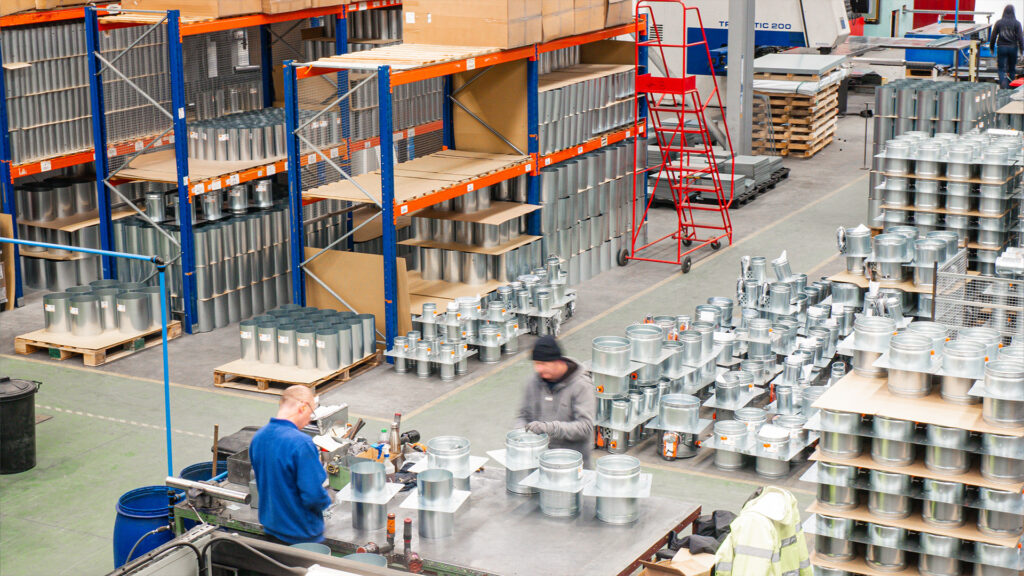
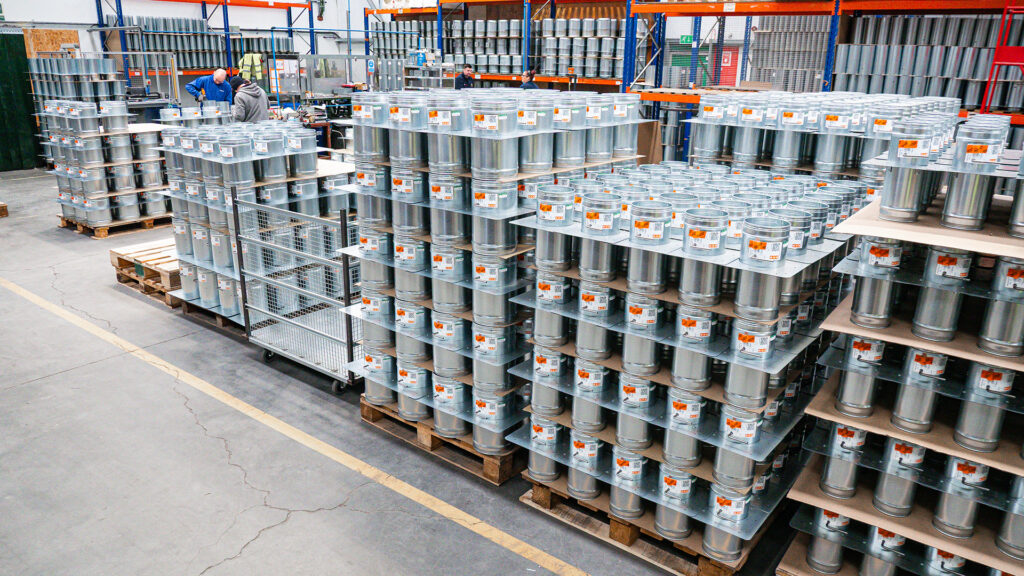
At BSB Engineering Services, we manufacture a wide range of CE-marked third-party tested fire, dampers that are designed to meet both UK and international standards. Our product ranges, such as the FD-C, FSD-TD, FD-R, FSD-C and A60 Series, provide solutions for standard commercial buildings right through to complex environments like healthcare, industrial, and marine applications.
We work closely with consultants, specifiers and contractors to ensure that the correct damper type, size, control system and installation method are applied for each project — helping buildings remain both compliant and safe.
Fire dampers must be installed according to tested and certified methods — and that’s where projects can fall short. At BSB, we understand how important it is to provide clear, accurate documentation and installation guidance for every product. This includes:
By addressing these challenges upfront, BSB helps ensure that fire protection systems not only comply but function properly when they’re needed most.
Passive fire protection saves lives. That’s not just a slogan — it’s a reality we take seriously at BSB. From product development to certification, documentation and technical support, we’re here to help the industry build safer environments with confidence.
Whether you’re working on a new hospital wing, a university campus, or a secure data facility, trust BSB’s expertise to support your fire safety strategy from design to installation.
Want to speak to our technical team or request a product specification –
